
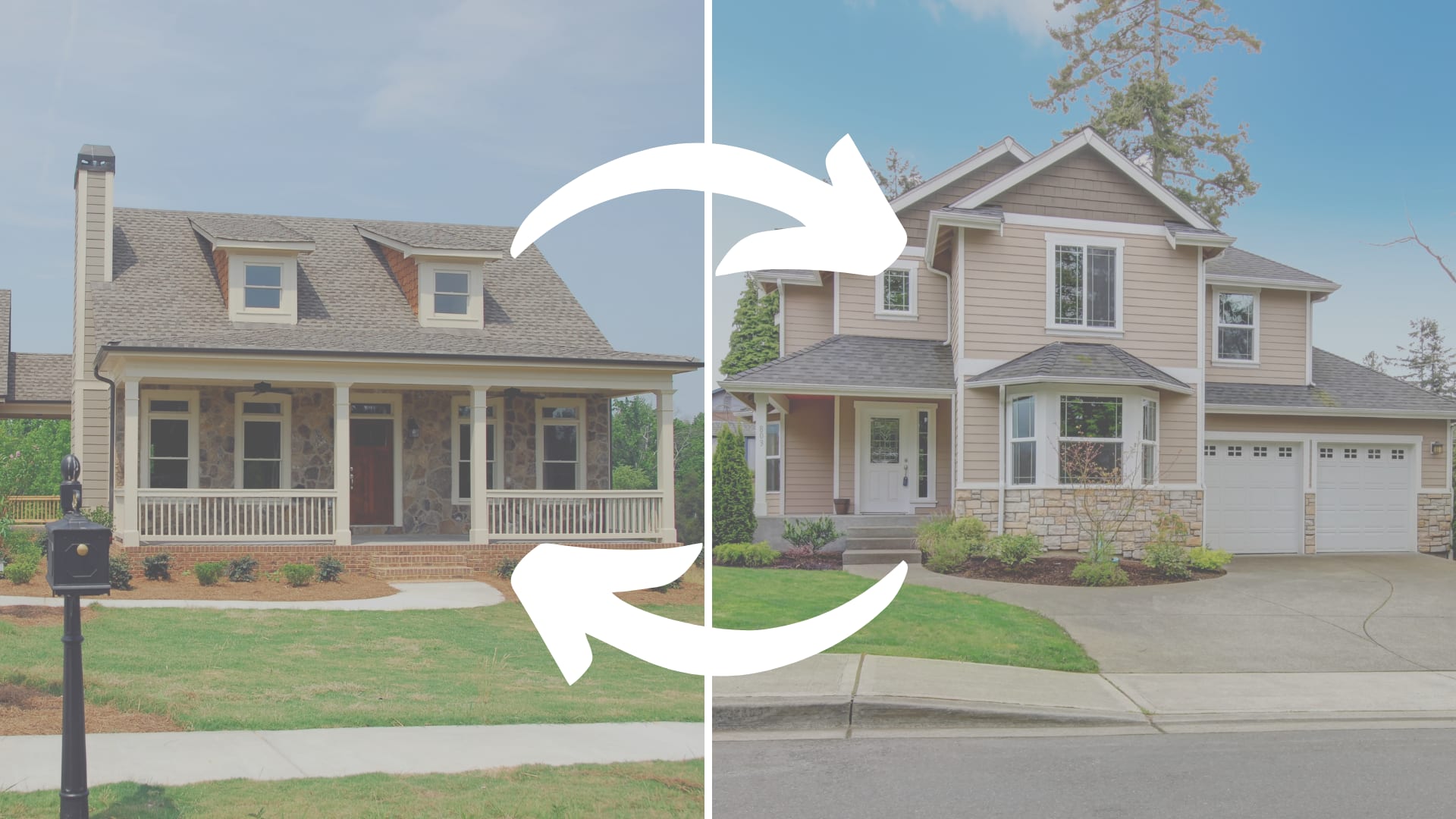

Selling a property and buying a new one simultaneously can be a complex process in this market, but with the right real estate agent, careful planning, and consideration, it can be managed successfully. Here are some important things to consider when navigating the sale and purchase of properties simultaneously, when one is contingent upon the other:
Contingency to Buy:
- Include contingency clauses in your listing and sale contracts. For example, make the sale of your property contingent on the successful purchase of a specific new property. However, be aware that some buyers may be hesitant to submit offers with such contingencies. Your agent can help build confidence in the buyer’s agent to trust your commitment and timeline so that nobody is waiting around for too long.
- This contingency will protect you from having to sell your existing property if for some reason you cannot buy the property you want. Every circumstance is different but your agent will help protect your interests
Contingency to Sell:
- Try to negotiate a house-to-sell contingency with the seller of the new property. This allows you to secure the new property while giving you time to sell your existing one. While this type of offer is often the most unappealing to a seller given the risk of your existing property not selling quickly, your agent can include competitive deadlines and benchmarks in the contract to ensure the seller of your commitment and ability to alleviate their hesitancy.
- This contingency will protect you from liabilities or having to buy the property if your house doesn’t sell. There are numerous strategies for how to make this appealing for a seller and still protect the buyer.
Using te Same Real Estate Agent:
-
If possible, using the same agent for both the sale of your property and the purchase of your new one is crucial. This way, there are clear instructions to every party involved with the transaction, and there are not too many hands in the pot. Using the same agent will create an easier transaction for both sides as they will know the exact dates and work to hit all deadlines to keep everything on track.
-
If you’re looking to relocate out of the area, talk to your agent about getting you in touch with a reputable agent in the area you’re buying. As agents, we have a vast referral network and can do the vetting for you to ensure that the process will go as smoothly as possible. Both agents need to be in communication with one another and trust each other's strategy for the property you are selling and trying to buy.
Finances:
-
Determine your budget for the new property and assess your financial situation. Consider your current mortgage, any outstanding loans, and the down payment for the new property if you’ll be using a lender.
-
Explore options for bridge financing or a home equity line of credit (HELOC) to cover the gap between buying and selling. (Pro tip: HELOCs are a great way to have cash to cover your next down payment and maybe even keep your existing house as a rental if that is a goal of yours!)
Timing:
-
Try to align the closing dates of both transactions to reduce the risk of being in a situation where you're without a property. This may involve negotiating with both sets of buyers and sellers. This is where having a great local agent will be crucial because they will use their knowledge of the market to help you strategize the timing and protect you from being in a stressful situation or the need to move twice.
- If you are in a position where you are comfortable moving twice, it could benefit you albeit more work. The timeline wont be so tight and you might increase your buying power.
Market Conditions:
-
Be aware of the real estate market conditions in both the area you're selling in and the one you're buying into. A seller's market might be favorable for selling but challenging for buying, and vice versa.
Communication:
- Keep communication channels open with all parties involved, including real estate agents, lenders, contractors, and title agents. Transparent communication can help in managing expectations and addressing any issues that may arise.
Home Inspection and Repairs:
- Schedule an inspection for the property you're buying as soon as possible, and ideally before accepting an offer on the house you are selling. This ensures that you ar aware of any necessary repairs or issues before finalizing the purchase and sale.
- You will also need to be prepared for an inspection of your current property by the buyers. Keep in mind that any requests the buyers make could delay the closing period. Being proactive and making repairs in advance could benefit you in the long run.
Logistics:
-
Plan the logistics of the move carefully. Consider the timing of moving out of your current property and into the new one, especially if there's a gap between closings. Maybe just maybe, your agent can negotiate for you to have an early move-in or a rent-back!
- Be prepared for unexpected delays or complications. Having contingency plans for alternative housing arrangements, such as short-term rentals or staying with family can provide peace of mind.
Navigating the simultaneous sale and purchase of property can seem overwhelming, and you may not know where to start. Working with experienced real estate professionals can help streamline the process and reduce potential challenges.
